
Phosphorus policy
09 April 2026 at 12:00
China’s next Five-Year Plan (2026–2030) introduces a binding target: a 6% reduction in total phosphorus emissions. The importance lies less in the number itself than in what it represents. Water governance is entering a new phase, where phosphorus is no longer treated simply as a pollutant, but as a variable that must be actively managed.
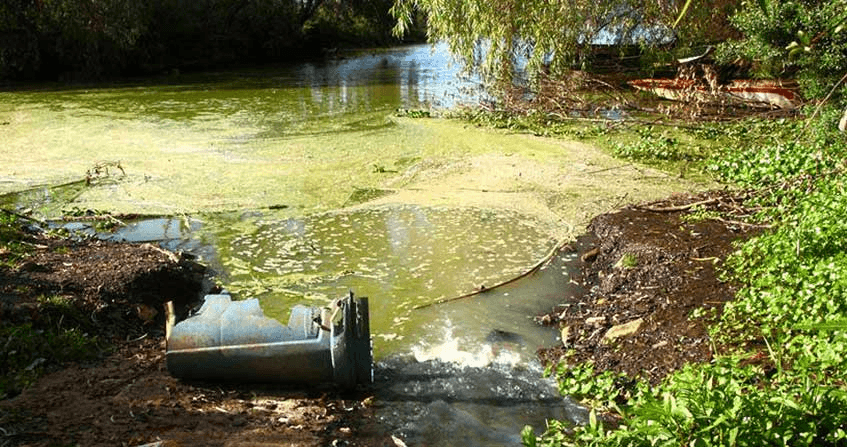
In recent years, China has made substantial progress in water pollution control. The share of surface water rated as “good” rose from 83.4% in 2020 to 90.4% in 2024, while emissions of COD and ammonia nitrogen declined sharply. Point-source pollution is now largely under control. What remains is more complex. Total phosphorus has emerged as a key constraint: it is now the second most common cause of water quality exceedances nationwide and the primary pollutant in the Yangtze River Basin. In lakes such as Taihu, Chaohu, and Dianchi, phosphorus levels directly shape eutrophication and the risk of algal blooms. Water governance is moving into a stage where structural challenges dominate.
Those challenges are rooted in how phosphorus pollution is generated. More than 60% comes from agricultural non-point sources—diffuse, variable, and difficult to regulate. Runoff from fertilizers, livestock waste, aquaculture discharge, domestic wastewater, and sediment release all contribute. Existing governance systems were designed around industrial and urban point sources, where emissions are concentrated and easier to monitor. They are far less effective when pollution is dispersed across landscapes and administrative boundaries. Against this backdrop, making total phosphorus a binding target marks a clear shift. It brings enforcement, accountability, and resource allocation into play, requiring local governments to respond directly. Pilot programs in the Yangtze and Yellow River basins have already demonstrated workable approaches; these are now being scaled nationally, linking river, estuary, and coastal management into a more integrated system.
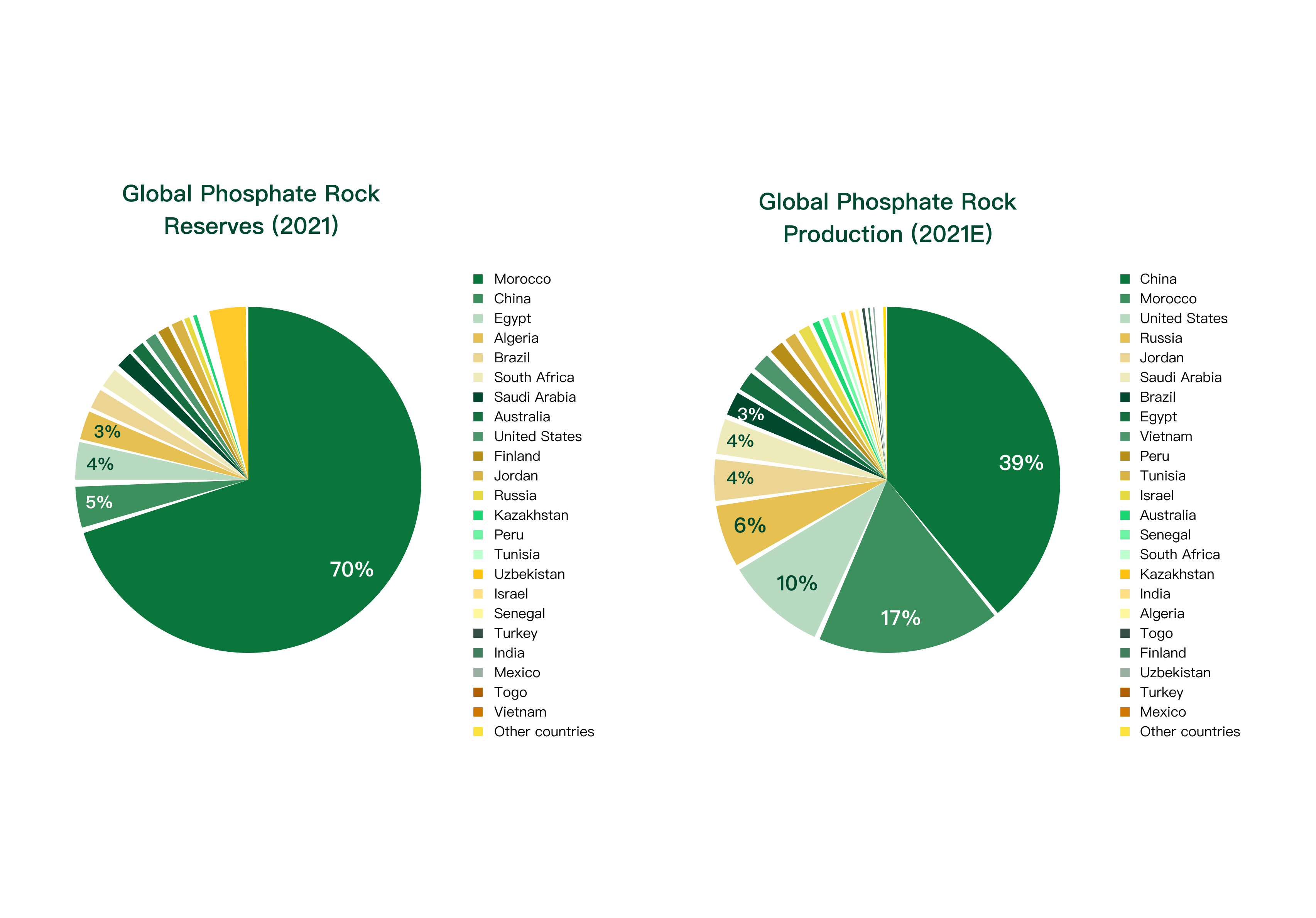
A deeper shift lies in how phosphorus itself is understood. It is both a pollutant and a resource. China’s fertilizer use efficiency stands at just 30%–35%, well below the 50%–60% typical in developed economies, meaning a large share of applied phosphorus is lost to the environment. At the same time, domestic phosphate rock reserves are limited, with less than 30 years of supply at current extraction rates. Pollution and waste are part of the same system. Reducing emissions therefore also means improving efficiency and reducing loss. Policy is beginning to reflect this, moving beyond end-of-pipe treatment toward lifecycle management. The new phosphorus target formalizes that shift.
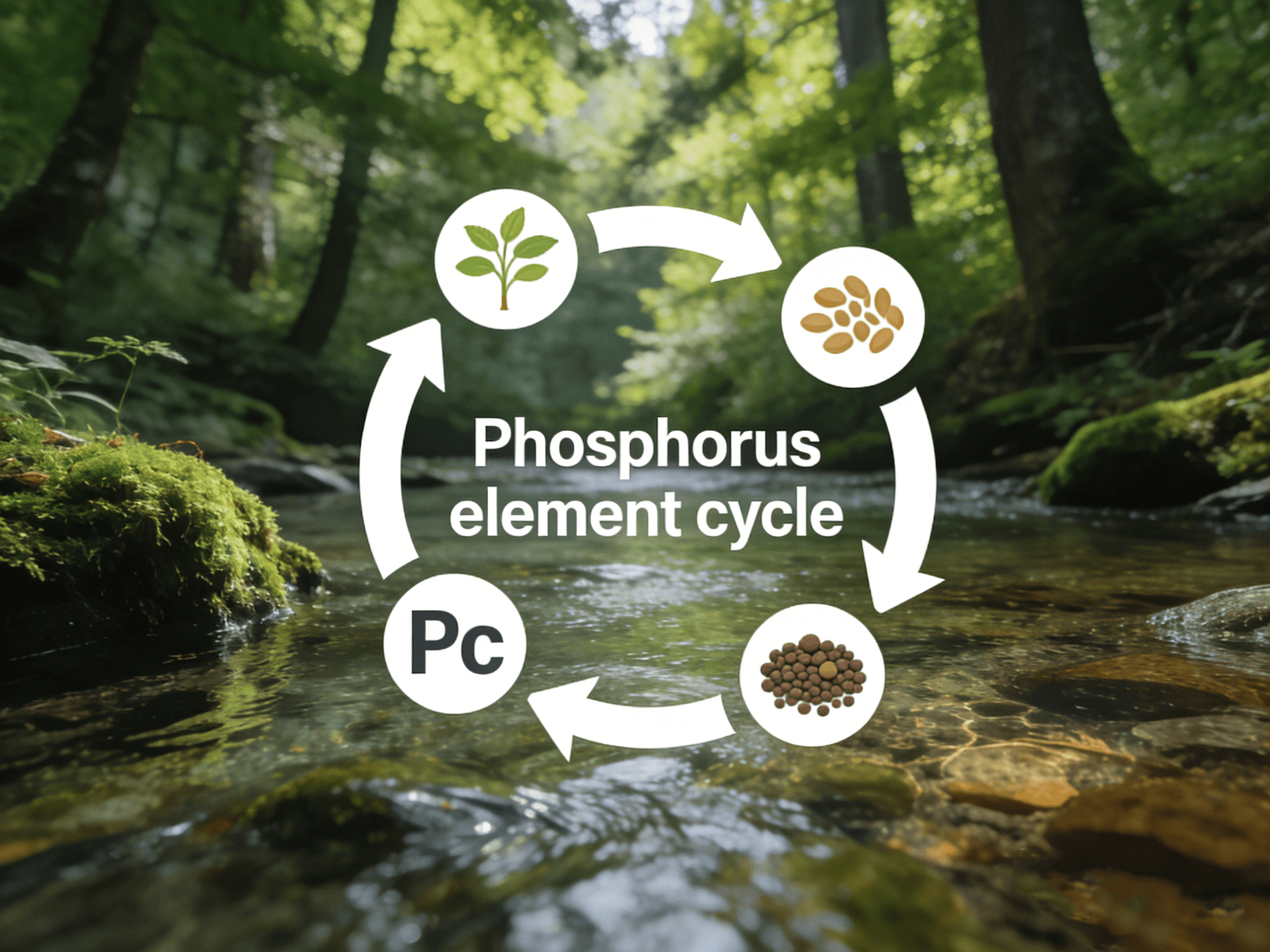
The pathway to a 6% reduction is already taking shape. At the source, agriculture offers the largest potential, through precision fertilization, organic substitution, and manure recycling. Along the pathway, basin-level controls, discharge outlet management, and ecological buffers such as wetlands and riparian zones aim to intercept phosphorus flows. At the end, advanced wastewater treatment and phosphorus recovery technologies help close the loop. Monitoring systems, discharge permits, and performance evaluations provide the institutional backbone. Together, these measures extend governance from isolated emission points to the full cycle of resource use and environmental impact.
The effects will be felt across multiple domains. Farming practices are likely to shift toward greater efficiency, reducing reliance on high-input fertilization. Technologies for phosphorus recovery and reuse will gain policy support and market traction. Resource losses will decline, helping to ease pressure on domestic reserves. More broadly, China’s water governance is entering a phase defined by non-point source control and system-level management. As resource efficiency and pollution control are brought under the same framework, the focus of environmental policy moves beyond compliance toward long-term ecological stability.
source:dreamstime